
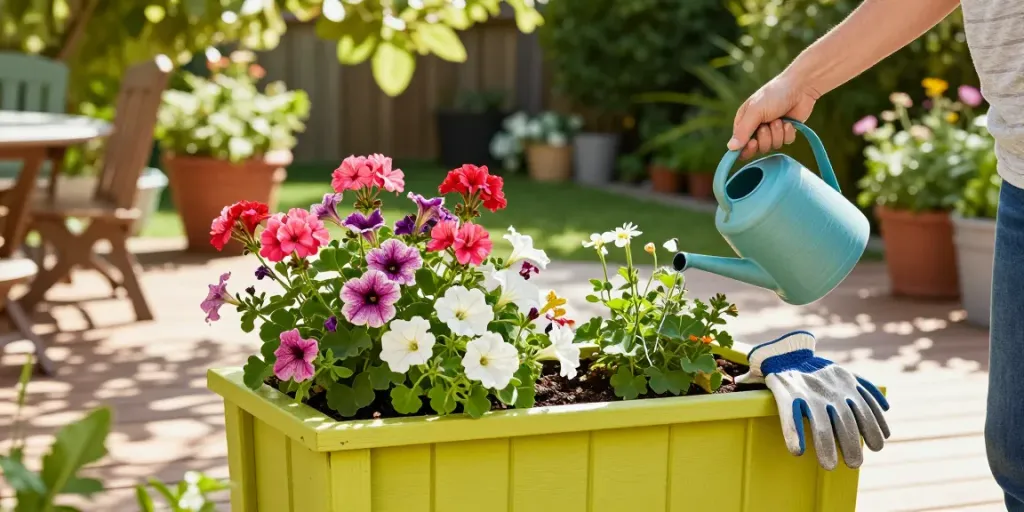
Understanding the Benefits of Outdoor Planters
Outdoor planters are an essential aspect of modern gardening, providing both aesthetic appeal and practical benefits. By incorporating outdoor planters into your space, you can enhance the beauty of your garden, patio, or balcony while also improving the environment. When exploring options, here provides comprehensive insights into the types and styles of planters suitable for any setting. Not only do they offer a way to cultivate plants in limited spaces, but they also encourage gardening enthusiasts to experiment with various plant species and configurations. In this article, we will delve into the multifaceted advantages of outdoor planters and how they can transform your garden into a lush oasis.
Why Choose Outdoor Planters Here?
Choosing outdoor planters is an excellent decision for several reasons. Firstly, they allow for flexible gardening solutions, especially when it comes to urban living where space is often limited. Planters can be positioned on patios, balconies, and even rooftops, making them ideal for city dwellers. Secondly, outdoor planters can be tailored to suit individual tastes and preferences, offering various styles, colors, and materials. This means that every garden can reflect its owner's personality and complement the overall aesthetic of the home.
How Outdoor Planters Enhance Aesthetic Appeal
The visual impact of outdoor planters cannot be overstated. They add layers of color, texture, and height to any garden design. By strategically placing planters of varying sizes and shapes, you can create visual interest and dynamic focal points within your garden. Additionally, seasonal flowers and foliage create a lively atmosphere, with planters serving as the perfect canvas for creativity. Whether it’s vibrant annuals in the spring or hardy perennials in the fall, outdoor planters provide a lasting impression throughout the year.
Environmental Benefits of Planters
In addition to their aesthetic charm, outdoor planters contribute positively to the environment. They help in reducing urban heat by cooling the surrounding air through evaporation and transpiration. Furthermore, they can assist in managing stormwater runoff, as planters absorb rainwater and reduce the burden on drainage systems. By choosing native plants for your outdoor planters, you contribute to local biodiversity, providing habitats for beneficial insects and pollinators.
Selecting the Right Outdoor Planters
Choosing the right outdoor planters involves consideration of various factors, including material, size, and compatibility with the plants you wish to cultivate. It's crucial to understand your space and the plants you want to grow to ensure a successful gardening experience.
Materials: Wood vs. Metal vs. Plastic
Outdoor planters come in various materials, each with its unique benefits and considerations:
- Wood: Offers a rustic and natural look but may require more maintenance to prevent rot.
- Metal: Durable and modern, metal planters can be stylish but may retain heat, affecting plant roots in hot climates.
- Plastic: Lightweight and often more affordable, plastic planters are easy to move but can lack the aesthetic appeal of natural materials.
Size and Shape Considerations for Your Space
When selecting planters, consider both size and shape. Taller planters can add vertical interest and are ideal for smaller spaces, while larger, wider planters can accommodate a variety of plants and create a more substantial visual impact. Additionally, consider how the shape of the planter complements the design of your space; rectangular planters can look sleek while round ones can soften edges in a garden.
Choosing Planters for Specific Plants Here
Not all plants are suited for every type of planter. Consider the following when selecting planters for specific plants:
- Herbs and Vegetables: Opt for deeper planters for root vegetables, while shallow planters are great for herbs.
- Flowers: Annuals may thrive in various sizes, but ensure the planter has adequate drainage.
- Succulents: These need well-draining soil; consider a planter with drainage holes and a sandy mix.
Planting Techniques for Success
To enhance your gardening experience, it’s essential to employ effective planting techniques. The right methods can help ensure your plants thrive, providing you with beautiful blooms and bountiful harvests.
Soil and Drainage Solutions
The foundation of any healthy plant comes from the soil. For outdoor planters, it’s vital to choose the right soil mix that provides good drainage and retains moisture. Using a combination of potting soil, compost, and perlite can create an optimal environment for plant roots to thrive.
Companion Planting Strategies
Companion planting is an excellent strategy for maximizing the use of your outdoor planters. By pairing certain plants together, you can enhance growth, deter pests, and boost flavor:
- Herbs: Basil planted with tomatoes can enhance flavor and deter pests.
- Flowers: Marigolds can deter nematodes and other pests, making them a perfect companion for various vegetables.
- Vegetables: Planting carrots alongside onions can help maximize space and flavor.
Watering and Maintenance Tips for Planters Here
Regular watering is essential, but the amount will depend on the type of plants and the local climate. It’s crucial to understand the water needs of your plants and to check soil moisture frequently. Planters should also be inspected for pests regularly to ensure they remain healthy. Consistent maintenance will lead to a flourishing outdoor display.
Creating an Outdoor Oasis with Planters
Transforming your outdoor space into an oasis requires planning and creativity. By thoughtfully arranging your outdoor planters, you can create an inviting environment that reflects your personal style.
Designing Your Garden Layout Here
When designing your garden layout, consider the overall flow and functionality of the space. Group planters of similar styles or colors together to create cohesive zones. Consider the height of plants when arranging them, placing taller plants toward the back or center and shorter ones along the edges for visual balance.
Incorporating Color and Texture
Incorporating various plant types can enhance the color and texture of your garden. Mix flowering plants with lush greenery to create contrast. Varied foliage shapes and colors can add depth and make your garden more visually appealing. Seasonal changes in flowers and foliage mean your outdoor space will remain dynamic and interesting throughout the year.
Seasonal Planting Ideas for Continuous Beauty
To maintain a vibrant outdoor space, consider planting a variety of species that bloom at different times of the year. Early spring bulbs, summer annuals, and fall perennials can create a continuous display of color and beauty. Transitioning your planters with the seasons can keep your outdoor oasis fresh and inviting.
Maintaining Your Outdoor Planters
Proper maintenance is crucial for the longevity and health of your outdoor planters. Employing regular upkeep strategies will help you enjoy your garden throughout the year.
Seasonal Upkeep Strategies Here
Seasonal maintenance can differ significantly, depending on the time of year. In spring, focus on refreshing soil and replanting. During summer, ensure you are on top of watering, while autumn should focus on cleaning out dying plants and preparing for winter. Finally, in winter, consider protecting fragile plants from frost or relocating planters to sheltered areas.
How to Prevent Pests in Outdoor Planters
Preventing pests is essential for maintaining healthy plants. Regularly check for signs of infestation and use organic pest control methods when necessary. Introducing beneficial insects like ladybugs can also help control harmful pests without resorting to chemicals.
When to Refresh Soil and Replant Here
Refreshing soil should be part of your annual gardening routine. Typically, this should be done in the spring, as the growing season begins. Removing old soil and replacing it with fresh, nutrient-rich soil will encourage healthy growth for your plants. Regularly inspect your planters and replant as necessary.
What Size Outdoor Planter Should I Choose?
When selecting an outdoor planter, size is paramount. Consider the root system of the plants you wish to grow to determine the appropriate depth and width. A properly sized planter ensures that your plants have ample space to grow and thrive.
Can I Use Indoor Plants in Outdoor Planters?
While it’s possible to use indoor plants in outdoor planters, caution is advised. Ensure that the plants are suitable for outdoor conditions and can tolerate the local climate. Many houseplants may not withstand outside elements and can be prone to pests.
What Are the Best Plants for Small Outdoor Planters?
Small outdoor planters can accommodate various plants, depending on your preferences. Consider herbs such as thyme and rosemary, compact flowering plants like petunias, or succulents that don’t require extensive root space.
How Do I Create a Cohesive Look with Outdoor Planters?
To achieve a cohesive look with your outdoor planters, select a unifying theme based on color, material, or plant types. Picking planters that share a similar material or color scheme can create a harmonious aesthetic. Additionally, ensure the plants selected for each planter complement one another to enhance visual appeal.